• There has been a recent cluster of spammers accessing BARFer accounts and posting spam. To safeguard your account, please consider changing your password. It would be even better to take the additional step of enabling 2 Factor Authentication (2FA) on your BARF account. Read more here.

Breadmaking 101

I've been practicing making ciabatta and having limited success. Am interesting in the dryer proofing drawer. :)

Anyone tried steam when making bagettes? (Maybe I missed someone mentioning that.) I understand it will make a crispier crust if you add boiling water to a pan under the bread as it bakes.

:)

I use steam for virtually anything baked on a pizza stone (except pizza).

- Pan of hot water under stone
- Pane of hot soaked towels under stone
- Steam injector
-etc are all methods


This is the web site you want:

http://www.thefreshloaf.com/
 
Last edited:
I've been practicing making ciabatta and having limited success. Am interesting in the dryer proofing drawer. :)

Anyone tried steam when making bagettes? (Maybe I missed someone mentioning that.) I understand it will make a crispier crust if you add boiling water to a pan under the bread as it bakes.

:)

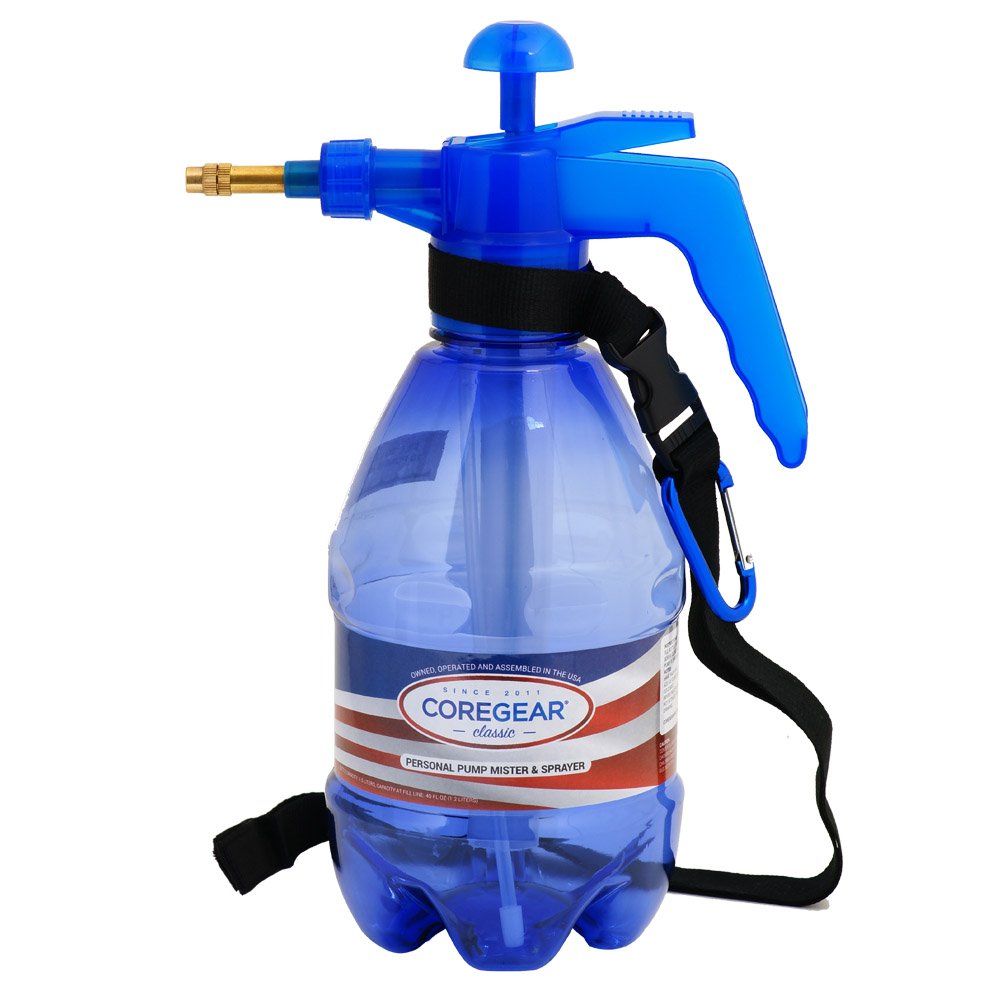
My dad does it all the time. He's got rocks in a sheetpan sitting on the bottom of the over. Squirts them with something like this at a specific bake time to get the right crust texture:
61TpppNrODL._SL1000_.jpg


Baking bread is another thing I need to learn from him.
 
Just passed that on to my wife the baker.

She makes great bread and we've used Cloches before but we have a Dutch Oven so will try your technique.

Or should we use your technique with the Cloche?

Thanks.

For others here's the type of Cloche I'm talking about.

https://breadtopia.com/store/round-cloche/

I never responded by a cloche would do exactly the same thing as a combo cooker, so naturally, I advocate it.
 
I've only been meddling with bread for six months or so, but I have been doing a wet no-knead sourdough and baking in an enameled dutch oven. The results are very good and it's super easy. A scale (mine died) would yield pretty consistent results, and time is actually pretty forgiving.

I haven't really figured out how to work the dough at all, so I just gave up and kind of pour/flip it onto the dutch oven. Still turns out really good (most of the time). I tried making a drier dough so I could shape a loaf, but it always came out sticky and hard to work with. I even got a proofing bowl and it just made a huge mess.
 
My mom made the best bread and when I asked her, there are no defined quantities. An old world cooker that just knows what a handful is. A big bowl of ingredients, hands to mix it all up. Then set it out to rise someplace for a few hours with a dish towel over it until it has a big bulge in the towel. Smash it down, re cover and let it rise again. Then flop it on the flour covered counter top and break it up into 3-4 globs. Knead it adding flour to each glob so it's not sticky. Flour the baking pans and cook the shit. Heaven!

Me? The almighty saviour known as the bread machine.
3 1/2 cups of whatever flour you want
1 packet red star yeast, about 2 tsp
1 tsp salt
2 tbsp veg oil
1 whole egg minus shell
1 1/2 cup hot water
Close the lid and come back 2:25 later and eat the whole goddamn thing.
 
Last edited:
I've been making bread for about a decade now. Nothing beats, well, practice. I know that's maddening. It's easy and yet difficult--a lot like riding a motorcycle! The concept that was a game-changer for me was to remember that you're dependent on other living things to make your bread. Whether you go sour or use a store-bought yeast, you need to feed it. And just like any other animal, good, fresh quality food for it is important. It needs a time to be active and rest. Giving it time to grow yields more flavor. Messing around with it too much can make it tough. Not giving it enough water or starving it yields poor results too. Baking is just the very last step--and while crucial--I find that playing around with temperatures, times and vessels can be a lot of fun.

I keep a starter in the fridge always and I bring it out and freshen it up once a week. You can toss beer in it, fruit, etc. Your yeast doesn't mind a varied diet, but it's generally vegetarian... Milk has acids in it that can kill your yeast or "burn it". I like this recipe for going completely from scratch. I take three days to do it, but you can do it in two. Most of it is just being patient. Weighing stuff in cooking is always better than measuring. The cooking pans and such can be really simple--I use all sorts of stuff, but my favorite is this big old terra cotta dutch oven that was my grandmother's. When I use store-bought yeast, I can whip up a home-made honey-wheat loaf in under three hours. And even if you screw it up, you can make bread crumbs for mac-n-cheese or croutons. And the house smells amazing!
 
Glad so many of you enjoy the hobby. Until the recent gluten free bullshit craze hit society, bread was like the main food that brought people together for thousands of years. Bread is what brings us together. Breaking bread.

(Yes, I know 6-7% of people have some sort of gluten "sensitivity")
 
This is the exact recipe I decided on for my first bread project and it was a straight up home run.:thumbup CL...def give this one a shot. I used a couple of $27 5qt Lodge Dutch ovens. One thing I would avoid is the suggestion to proof in flour dusted dish towels as it's a major pia. For now I'm just using mixing bowls with an ultra light coat of cooking spray. Would like to try a cane basket soon.


DH...you mention fruit to feed a starter? Puréed? Fermented first then added to starter? Which fruit(s)?
 
Last edited:
Maybe I'm looking at this wrong. Isn't the juiced used to produce a starter by making the ph more palatable? I was thinking she was talking about using fruit to feed an already established starter.
 
I love eating good baugettes, but generally hold out for when I'm in France. Well, most of Europe has better bread than America as a whole.
 
My mom made the best bread and when I asked her, there are no defined quantities. An old world cooker that just knows what a handful is. A big bowl of ingredients, hands to mix it all up. Then set it out to rise someplace for a few hours with a dish towel over it until it has a big bulge in the towel. Smash it down, re cover and let it rise again. Then flop it on the flour covered counter top and break it up into 3-4 globs. Knead it adding flour to each glob so it's not sticky. Flour the baking pans and cook the shit. Heaven

I apprenticed under a guy that made over 2500 each pandesal rolled by hand every day, 5 days a week. Never once did he pull out a recipe. He had been doing this for about 20 years when I met him. He changed shops a few times and always brought his own measuring equipment with him... because he knew it so well even required specific brand ingredients, for the same reason

He also made dozens of cakes and pies. Had a crew of 2. Worked 430-1230. It was nice and allowed me to surf almost every day :laughing

He retired once he started developing a physical allergic reaction to flour :wtf :cry
 
I’ve used fruit (apples, pears or grapes) in a starter. I’ve used beer to do the leavening—two separate kinds of breads. The beer is usually an overnight thing. When I add the fruit to something, it sits for like a week. I don’t add tons—just a little. I assume the yeasties like the sugar?
 
20130214-073725.jpg


20130214-074005.jpg


20130214-074422.jpg


Served it up with turkey meatball fettuccine with fresh basil ... about 600 calories, including 2 oz of bread ...

This was the original NYT’s no-knead fast recipe, with a full packet of yeast, and three or four hours of rest, fold once, and rest for thirty minutes while the oven heated ... started at 3pm and had bread for dinner ...
 
Last edited:
Back
Top