
tzrider
Write Only User
I saw similar figures for undergrounding lines in Pleasanton about ten years ago. It seems to be what it really costs.Does anybody else think that those figures are intended to elevate their profits?

I saw similar figures for undergrounding lines in Pleasanton about ten years ago. It seems to be what it really costs.Does anybody else think that those figures are intended to elevate their profits?


I always thought that Creo treated timber was hazardous waste too, which is why I was very surprised to see railroad ties that you could smell from 10 feet away for sale at Home Depot in the garden center.the cost quoted wasn’t for putting up new lines, it was for moving existing overhead lines underground. they are doing that throughout our area. because much of the divide we live on (long strip of land situated between two deep river canyons) is solid granite, they have to trench channels in roads, lay cable and then repave. very expensive. and just as an aside (costs that aren’t necessarily obvious), the poles they are taking out are hazardous waste (creosote soaked logs).

i don’t know enough about it to comment further. my only experience is a couple of local parks departments asked for the poles they were taking down (to use for sports field lighting). offered to purchase them. we took the request to PG&E, and were told that they couldn’t do it because of the creosote, and they had to be disposed of as hazardous waste. otherwise, they would have gladly given them away.I always thought that Creo treated timber was hazardous waste too, which is why I was very surprised to see railroad ties that you could smell from 10 feet away for sale at Home Depot in the garden center.
I imagine a Creo railroad tie half buried in the ground would be an excellent way for a fire to start weeks after it was extinguished


BingoWouldn't buried lines remove the need to turn power off during high winds?
I'm guessing that burying lines would actually be less expensive than putting up poles and all of the line pulling involved with re-wiring all of the neighborhoods. Does anybody know the costs of each option?

$6.1m per mile seems about right for underground transmission lines.Does anybody else think that those figures are intended to elevate their profits?
$6.1 Million seems to be very, very expensive if they have the right equipment, it seems like they're positioning themselves to profit enormously if 'forced' to bury the lines.
What would be useful to the discussion is the cost to put up poles and string the wires, wouldn't the lines be a sizeable portion of the costs?
This is making me think of a certain BARFer and the possibility that after a fire, crews would find about 2,000 pounds of molten lead.Friend of mine is a hazmat inspector. He routinely does fire areas and says you absolutely do not want to be digging around burn sites without PPE. There's all kinds of toxic shit leftover from structure fires.

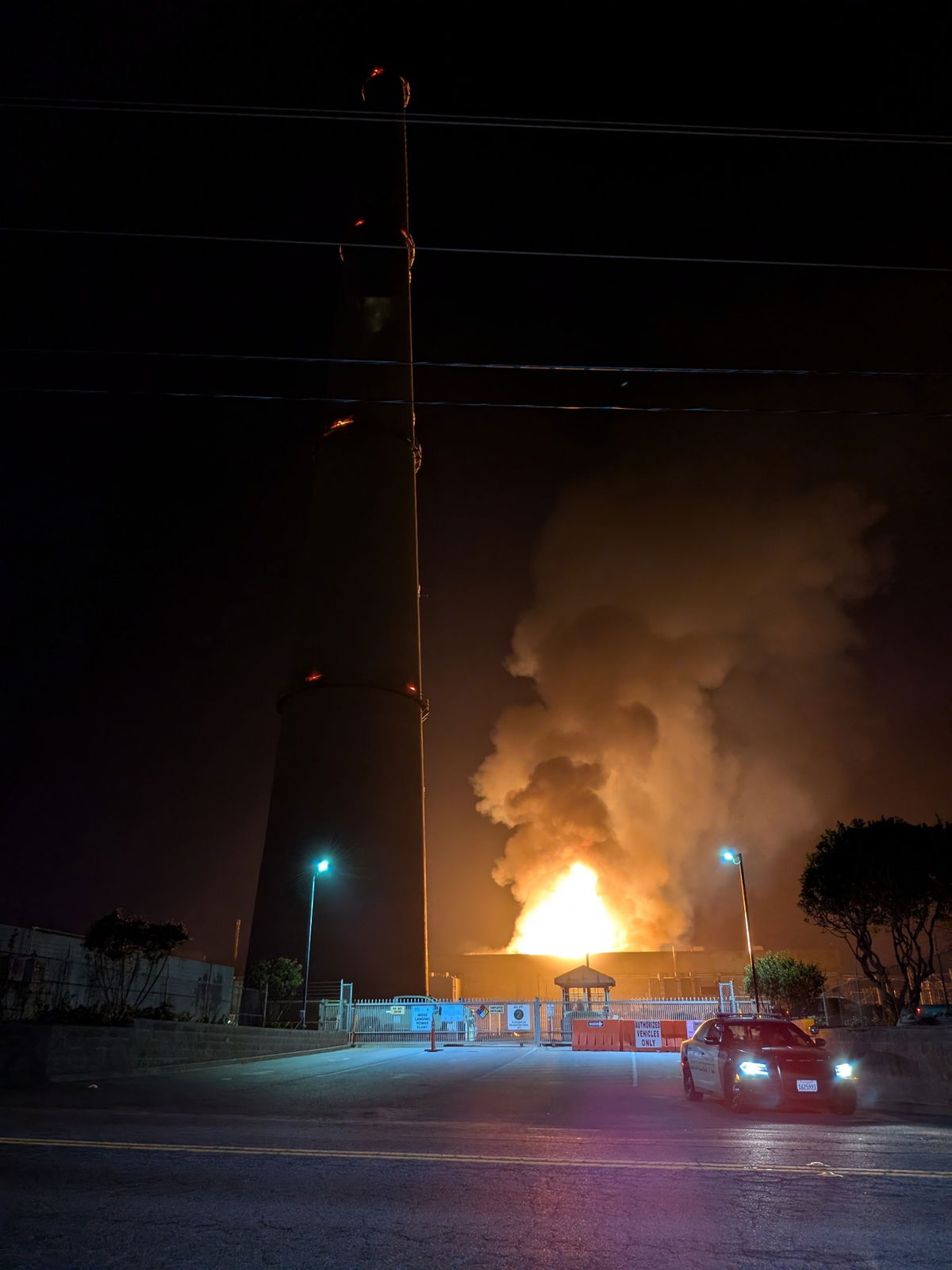
 kion546.com

This is making me think of a certain BARFer and the possibility that after a fire, crews would find about 2,000 pounds of molten lead.
Lithium ion fire at the Vistra power plant. Pretty brutal.The Moss Landing power site is on fire right now. We have ugly stuff out there to burn.
Schools, state parks reopen as Vistra battery fire begins to burn out
Crews have responded to a fire at the Moss Landing Power Plant with first reports around 3 p.m.

 www.cbsnews.com
I think sodium ion is still pretty early in its development cycle.Isn’t sodium ion also being deployed?